AI in Scrum: Help or Harm?

AI is showing up everywhere in Scrum and Agile teams right now. People use ChatGPT to write user stories, generate acceptance criteria, or even run retrospectives. At first glance, it feels smart and efficient. But here’s the truth: most of the time, you’re just letting a statistical parrot into your team—and it’s quietly messing things up. What’s a “Statistical Parrot”? Big AI tools like ChatGPT don’t actually think. They don’t understand your customer, your business, or your sprint goal. They just predict the next word in a sentence, based on patterns in data. In short: they repeat things that sound right but often miss the real meaning. Scrum, however, is built on thinking, learning, and adapting. If your team starts leaning on AI to make choices, you’re swapping real insight for random predictions. That’s not agility—it’s fake speed. How AI Goes Wrong in Scrum 1. Bad Backlogs, Quickly Made Product Owners often use AI to write user stories. The backlog looks full and professional, but it’s usually shallow, repetitive, and disconnected from real customer needs. A backlog full of AI fluff only creates confusion and wasted sprints. 2. Empty Retrospectives Some teams let AI summarize feedback or suggest action items. But retrospectives are supposed to be about honesty, teamwork, and tough conversations. If you let a bot decide what matters, the team avoids reflection—and the chance to actually improve. 3. Fast but Pointless Work AI helps you write tasks, test cases, and documents faster. But if you’re rushing in the wrong direction, speed is useless. Scrum isn’t about how fast you work—it’s about creating real value. 4. Losing Human Skills Negotiating priorities, handling conflict, and thinking creatively are human skills. If you outsource too much of that to AI, your team gets weaker. Over time, you’ll lose the ability to think critically and work through problems together. Where AI Can Help I’m not saying AI has no place in Scrum. It does—but as a helper, not as a team member. It can save time by drafting templates, analyzing data, or suggesting options. But the real decisions, discussions, and accountability must come from humans. The Scrum Guide makes it clear: Scrum Teams are made of people. AI can assist, but it cannot replace teamwork, trust, or judgment. What Teams Should Do Instead Here’s the no-BS advice: Don’t Let the Parrot Lead Scrum works because of teamwork, courage, and real learning. A statistical AI parrot can’t do any of that—it just repeats patterns. If your team starts letting AI replace tough conversations and clear thinking, you’re not becoming “AI-powered.” You’re just covering up weak agility with shiny tech. Use AI, sure—but keep it in its place. Humans lead. Parrots repeat. Don’t confuse the two.
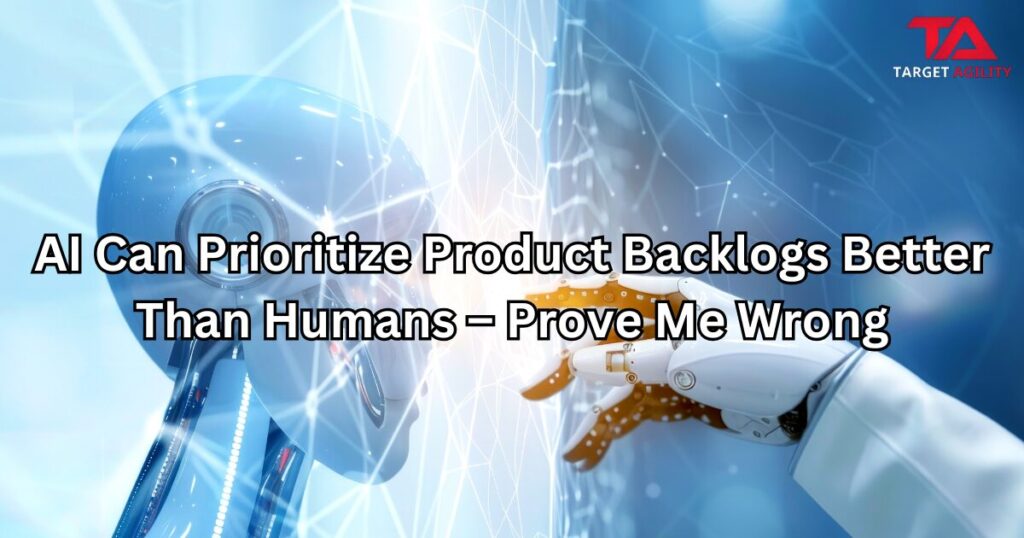
AI Can Prioritize Product Backlogs Better Than Humans – Prove Me Wrong
Let’s be honest — most product backlogs are a mess. They’re filled with random ideas, old tasks no one remembers, tech debt, and pressure from different stakeholders. And somehow, the Product Owner is expected to sort it all out and decide what comes next. It’s a tough job. But now, AI tools are stepping in and claiming they can do it better — faster, with less bias, and based on real data. So, the big question is: can AI really prioritize better than a human? In many cases, the answer looks like a strong “yes.” Why It’s Hard for Humans to Prioritize Well Product Owners don’t just pick features from a list. They’re constantly pulled in different directions: Even when you use frameworks like RICE or MoSCoW to rank ideas, it often comes down to opinions and politics. People are emotional. Bias creeps in. We give in to pressure. We guess. That’s where AI starts to shine. What AI Can Do That Humans Struggle With AI doesn’t guess. It uses real data to make suggestions. Here’s how it helps prioritize more accurately: So, Is AI Better Than a Product Owner? Not completely. AI doesn’t understand your company’s long-term goals or how important a customer relationship is. It doesn’t know timing or strategy. It can’t take a big risk based on instinct. But here’s the truth: most backlog decisions aren’t about long-term vision. They’re about choosing what to build next. And that’s where AI helps — by removing the noise and giving you clear, data-backed suggestions. Think of it like a smart assistant. You still make the final call. But you’re no longer flying blind. Why Humans Still Lead (For Now) We still value human judgment — and we should. Some decisions go beyond what data can explain. Sometimes you need to take a bold step even if the numbers don’t support it yet. But for everyday decisions — like which bug to fix next or which feature will help most — AI can save hours of guessing and debating. Conclusion: Work Smarter, Not Harder AI isn’t here to replace Product Owners — it’s here to make them better. If you’re trying to manage a long backlog full of noise and pressure, AI can help you cut through the chaos and focus on what really matters. So yes, in many cases, AI can prioritize better than humans — especially when the human is tired, overwhelmed, or guessing. Don’t see it as a threat. See it as your smartest teammate. Still not convinced? Prove me wrong.