This isn’t a prediction meant to shock.
It’s an observation already visible in hiring trends, role expectations, and delivery environments.
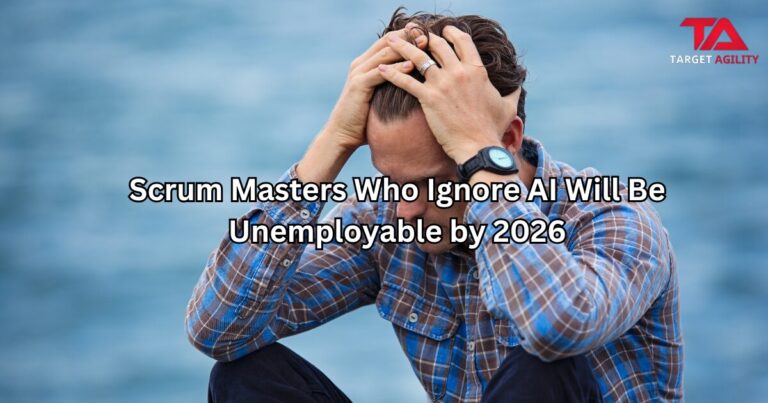
Scrum Masters who ignore AI will struggle to stay employable by 2026.
Not because AI replaces Scrum Masters — but because it replaces outdated interpretations of the role.
The Scrum Master Role Is Being Redefined
For years, many Scrum Masters built their value around:
- Facilitating ceremonies
- Tracking Jira metrics
- Collecting status updates
- Running retrospectives
- Enforcing Scrum rules
That model is collapsing.
Why? Because AI now handles:
- Continuous visibility
- Pattern detection
- Risk identification
- Data summarization
- Trend analysis
What used to require meetings, dashboards, and manual tracking is now automated — faster and more accurately.
The market doesn’t pay for work that software already does well.
What AI Is Replacing (Quietly)
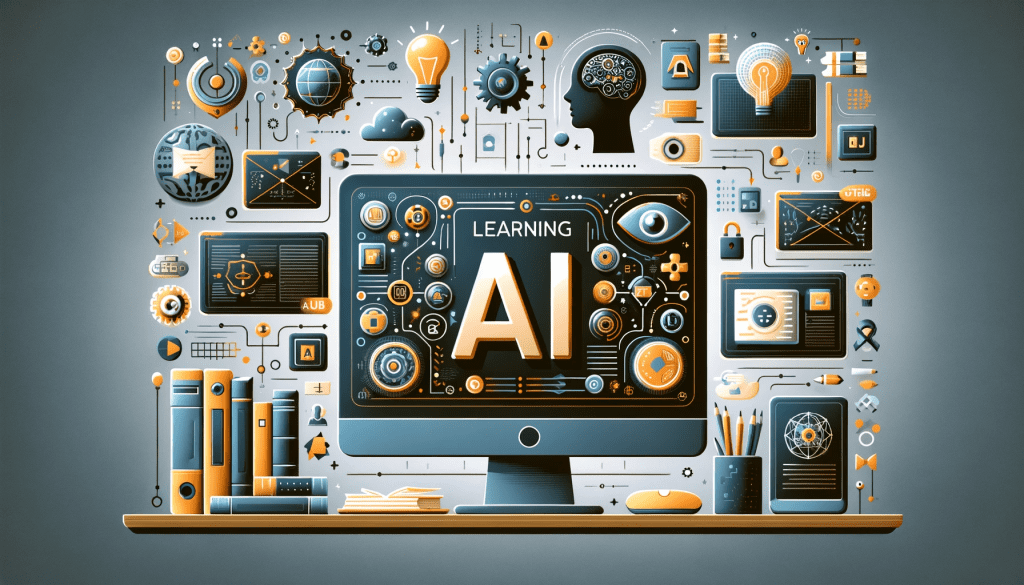
Let’s be precise. AI is not replacing coaching, leadership, or change management.
AI is replacing:
- Manual status tracking
- Ceremony-driven visibility
- Opinion-based problem detection
- Reactive facilitation
- Low-impact reporting
If your Scrum Master value is primarily operational, AI has already outgrown it.
That’s why some organizations are “removing Scrum Master roles” while others are actively hiring stronger ones. The difference isn’t Agile maturity — it’s expectations.
What Employers Will Expect by 2026
Scrum Masters in 2026 will be expected to:
- Use AI insights to coach teams and leaders
- Replace status meetings with continuous transparency
- Identify systemic bottlenecks early
- Challenge delivery assumptions with evidence
- Optimize flow, not just follow frameworks
- Reduce waste, not add process
Scrum Masters who cannot work with AI-driven insights will look slow, reactive, and outdated — regardless of certification.
Why Ignoring AI Is a Career Risk
Ignoring AI doesn’t make you principled.
It makes you invisible.
When leadership can already see:
- What’s blocked
- Where flow is breaking
- Why delivery is slowing
- Which teams are overcommitting
They don’t need a Scrum Master to report it.
They need one to interpret it, influence behavior, and drive change.
Scrum Masters who don’t understand AI-generated insights cannot do that effectively. And roles that don’t influence outcomes don’t survive cost reviews.
This Is Not About Tools — It’s About Thinking
This shift is not about memorizing AI tools.
It’s about understanding:
- How AI changes transparency
- How automation shortens feedback loops
- How data replaces opinion
- How leadership decisions are increasingly evidence-driven
Scrum Masters who cling to facilitation-only identities will struggle. Those who evolve into system thinkers and coaches augmented by AI will be in demand.
What Scrum Masters Should Do Now
If you’re a Scrum Master today, the response is simple — but not easy.
You must:
- Learn how AI analyzes flow and risk
- Stop defending ceremonies as value
- Reduce meetings instead of adding them
- Coach with data, not anecdotes
- Move upstream to leadership conversations
- Measure success by outcomes, not activity
This is how Scrum Masters stay relevant.
Cnclusion
By 2026, Scrum Masters won’t be judged by:
- How well they run events
- How strictly they enforce Scrum
- How many dashboards they maintain
They will be judged by:
- Whether delivery outcomes improved
- Whether teams became more autonomous
- Whether leadership behavior changed
- Whether waste decreased
AI accelerates that judgment.
Scrum Masters who ignore AI won’t be replaced by AI.
They’ll be replaced by Scrum Masters who know how to use it.